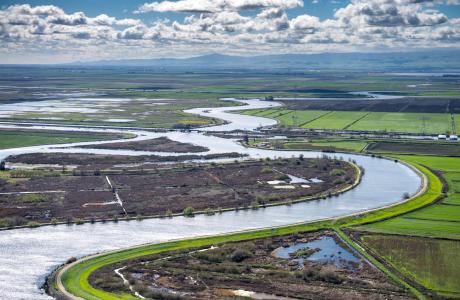
Watch our series of short videos on the importance of the
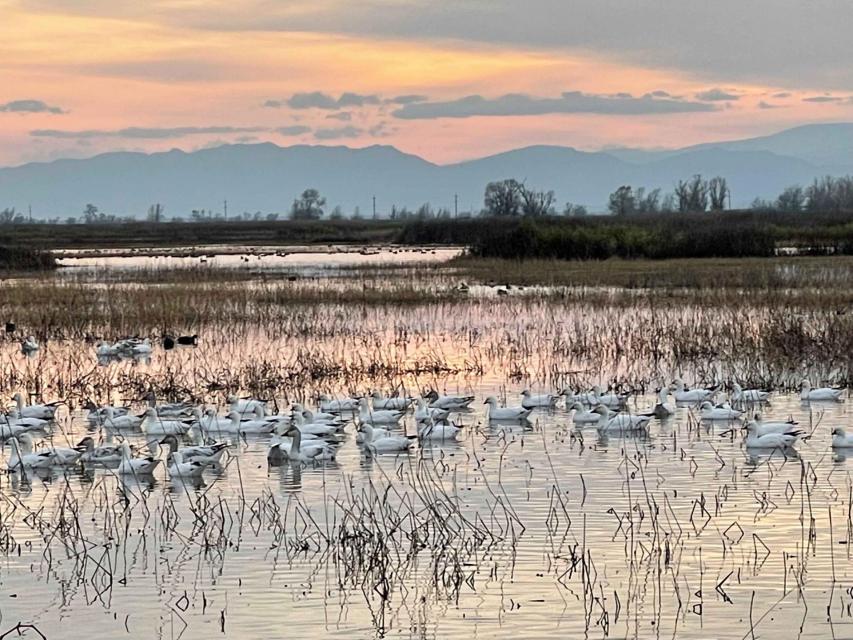
Sacramento-San Joaquin Delta, how it works as a water hub for
California and the challenges it is facing.
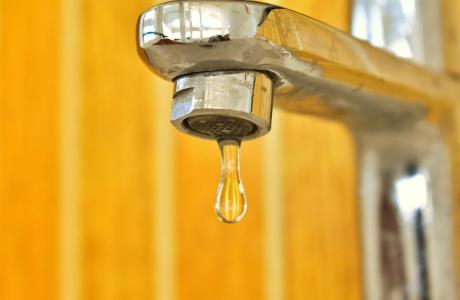
When a person opens a spigot to draw a glass of water, he or she
may be tapping a source close to home or hundreds of miles away.
Water gets to taps via a complex web of aqueducts, canals and
groundwater.
Learn more about our team in the office and on the Board of
Directors and how you can support our nonprofit mission by
donating in someone’s honor or memory, or becoming a regular
contributor or supporting specific projects.
Unlike California’s majestic rivers and massive dams and
conveyance systems, groundwater is out of sight and underground,
though no less plentiful. The state’s enormous cache of
underground water is a great natural resource and has contributed
to the state becoming the nation’s top agricultural producer and
leader in high-tech industries.
A new era of groundwater management began in 2014 in California
with the Sustainable Groundwater Management Act. The landmark law
turned 10 in 2024, with many challenges still ahead.
Are you an emerging leader ready to
make a greater impact on California water policy and management?
Applications are now being accepted for the Water Education
Foundation’s 2027
California Water Leaders cohort, with submissions
due Dec. 3.
Designed for rising professionals in California’s water
community, the program offers participants an unparalleled
opportunity to deepen their understanding of water issues, expand
their professional network and develop leadership skills
alongside a cohort of peers from across the state.
Visit the
application page, paying close attention
to frequently asked questions and mandatory
program dates to ensure you can fully
participate.
Confirm that you have your organization’s support and can
commit the time necessary to partipating in the program.
Interested in learning more? Join our exeuctive director, Jenn
Bowles, and other members of the Foundation team for
a virtual Q&A session at 12:30 p.m. on Nov.
10. We’ll provide an overview of the program and
share tips for submitting a strong application. Sign up here.
What role will desalination play in
the arid West? That topic is one of many engaging conversations
that will be explored at our Oct. 29 Water
Summit revolving around this year’s theme,
Stewarding a New Era in Western Water.
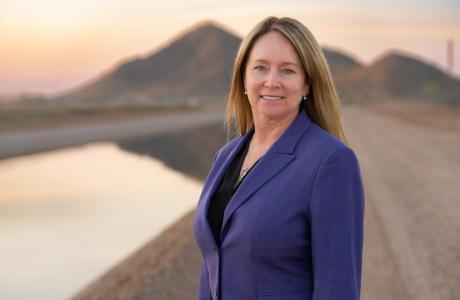
Led by Central Arizona Project’s General Manager Brenda Burman,
the panel will discuss all topics worth their
salt - from emerging desalination technologies to the
latest developments in innovative desalination programs to the
regulatory challenges and opportunities that face the region.
The panel of accomplished speakers will provide deep
insight on desalination’s implications for water management
in the West.
The Water Summit is the Foundation’s premier event of
the year and returns to Sacramento on Oct. 29
with leading policymakers and experts addressing critical water
issues in California and across the West. Capacity is
limited and registration closes soon, so grab your ticket
here while they’re still available!
At the urging of Gov. Gavin Newsom, California water officials
have been working with a group of agencies for years on a
far-reaching plan to protect the rivers that nourish the
Sacramento-San Joaquin River Delta. The
Newsom administration is seeking an arrangement in which urban
and agricultural suppliers across the state agree to
take less water from California rivers, and help restore river
habitat, in exchange for more flexibility using water and
meeting regulations. … But even as the governor has
made finalizing what’s called the Bay Delta Plan a priority
before he leaves office in January, the state’s negotiations
with the water agencies appear to have come up short.
The State Water Resources Control Board is scheduled to
adopt the plan this week, yet water providers up and
down the state are taking issue with it, many saying it isn’t
the collaborative deal they were promised.
Arizona’s historic legal fight over Colorado River water is
drawing a warning from one of the Trump administration’s top
officials, even as an Arizona congressman defends the state’s
decision to take the federal government to court. U.S. Interior
Secretary Doug Burgum cautioned that the lawsuit could
backfire on a state already facing significant cuts to its
Colorado River water supply. ”The last thing that
Arizona should want to do is have a judge decide where the
water is going to go,” Burgum said during a visit to southern
Arizona earlier this week. … Burgum, who oversees the
Department of the Interior and its Bureau of Reclamation,
disputes the legal basis for the lawsuit. “I
think that the lawsuit will get tossed out because you can’t be
injured in theory,” Burgum said.
Communities in southwestern Colorado and the Four Corners
region that faced devastating floods this week will get
a break Monday from the storm system that forced evacuations
and damaged homes. Gov. Jared Polis declared a
disaster emergency for 12 counties due to flooding in
much of southern Colorado. The floods have caused
helicopter rescues, destroyed bridges and closed roads while
rain has continued to fall since Wednesday. Southwestern
Colorado had received about 3 to 7 inches of
rain, according to the NWS office in Grand Junction,
which monitors conditions across the Western Slope. All of
that rain flows downhill into the San Juan
River, which drains rivers and streams in southwestern
Colorado into the Colorado River. …
Meteorologists expect to see the river to peak at about 29.5
feet early Monday morning
San Bernardino County has partnered with a Cadiz Inc. affiliate
to establish a public financing authority that could
advance the company’s controversial Mojave Desert groundwater
pipeline project, which has faced years of
environmental opposition and litigation. The San Bernardino
Water and Power Authority announced its formation Monday, Oct.
19, following an inaugural meeting on Oct. 5. The county Board
of Supervisors unanimously approved the joint powers agreement
with Fenner Gap Mutual Water Co., the Cadiz affiliate, on April
21. The partnership marks another potentially significant
development for Cadiz, which has spent decades trying
to bring its groundwater in the Cadiz and Fenner valleys, near
Amboy, to Southern California communities despite
fears that pumping could dry up natural springs and damage
fragile desert ecosystems.
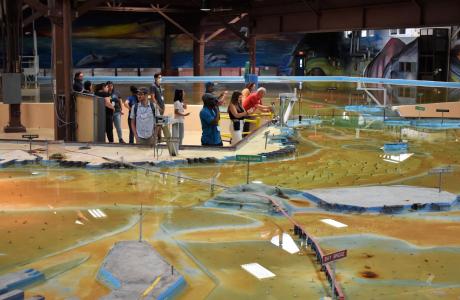
Operated by the U.S. Army Corps of Engineers, the
Bay Model is a giant hydraulic replica of San Francisco
Bay and the Sacramento-San Joaquin
Delta. It is housed in a converted World II-era
warehouse in Sausalito near San Francisco.
Hundreds of gallons of water are pumped through the
three-dimensional, 1.5-acre model to simulate a tidal ebb
and flow lasting 14 minutes.
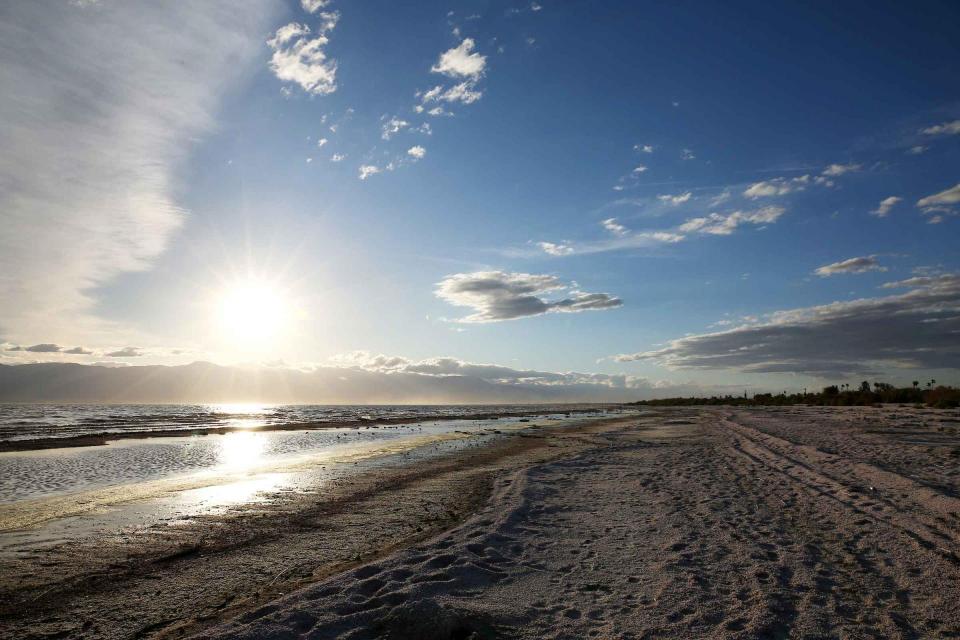
As part of the historic Colorado
River Delta, the Salton Sea regularly filled and dried for
thousands of years due to its elevation of 237 feet below
sea level.
The most recent version of the Salton Sea was formed in 1905 when
the Colorado River broke
through a series of dikes and flooded the seabed for two years,
creating California’s largest inland body of water. The
Salton Sea, which is saltier than the Pacific Ocean, includes 130
miles of shoreline and is larger than Lake Tahoe.
Drought — an extended period of
limited or no precipitation — is a fact of life in California and
the West, with water resources following boom-and-bust patterns.
No portion of the West has been immune to drought during the last
century and it occurs with much greater frequency in the West
than in any other region of the country.